Available now
macOS + Windows / VST3
Neural graintable synthesizer
Uncommon tone. Playable motion.
XENITH is a boutique synth built for animated texture, metallic pressure, and fast musical control. Powered by the Graintear engine, it delivers a distinct sound with a workflow that feels designed instead of overbuilt.
Launches Tuesday, March 24. Intro price: $49 through March 31, 2026 at 11:59 PM Eastern. Standard price: $69.
- macOS + Windows
- VST3
- Phase-locked dual oscillators
- Dual filters with comb modes
- Drawable LFOs
- Built-in FX
- Tutorial mode
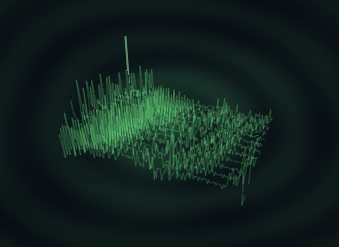
Graintear core
Comb-capable dual filters
March 24 launch
$49 intro Standard price: $69 macOS + Windows / VST3Sound proof
Raw audio. No outside processing. Character first, not marketing gloss.A synth with a point of view
XENITH is not trying to be every synth at once. It is built for producers who want motion, texture, and pressure without losing control of the instrument.
Character first.
The neural graintable core is there to give the instrument its own identity, not to pad a feature list.
Movement without collapse.
Phase-locked motion keeps sweeps stable and playable instead of smearing into a cinematic blur.
Designed workflow.
Drawable modulation, readable signal flow, and tutorial-led learning make the depth feel authored.
Direct from XENITH
The sound holds up on its own.
Raw examples matter because they remove the usual excuses. No external processing. No cinematic polish chain. Just XENITH on its own, showing the cleaner side and the heavier side of the same instrument.
Wide and polished
Raw exampleCleaner tone, same identity.
The softer lane still has to sound finished. This clip shows the wider, smoother side of XENITH without sanding off its character.
Sharper and heavier
Raw exampleMetallic pressure when you push it.
The same engine still has to bite. This is the harder edge of XENITH, driven forward with motion, tension, and no outside rescue chain.
Why the demos matter
Straight from the plugin.
The raw clips are there to prove the core instrument, not just the post chain. XENITH should still feel credible before a mix bus gets involved.
- No external processing on the clips above.
- Comb-capable filters bring the metallic edge forward.
- Phase-locked motion stays stable while sweeping the patch.
Feature proof
Built for tone, motion, and control.
XENITH is not selling breadth for its own sake. The feature set is there to support a specific kind of sound and a workflow that stays musical under pressure.
Launch spine
Most synths sell breadth. XENITH sells identity.
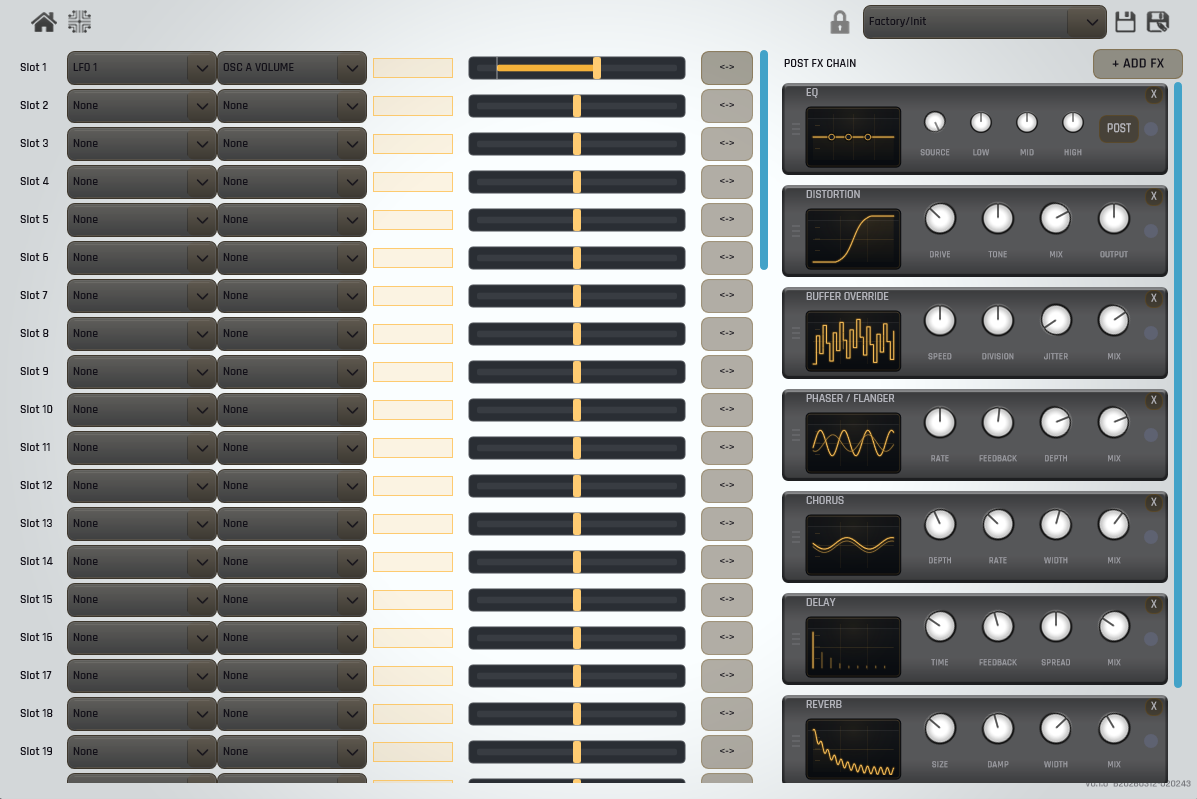
Routing, post FX, and modulation live inside the same authored visual language instead of reading like add-on utility pages.
Engine
Neural graintable core
XENITH starts with an animated engine built for character, not generic coverage. It can stay smooth, turn abrasive, or lean metallic without feeling anonymous.
Motion
Phase-locked dual oscillators
Motion is part of the sound, so it needs to stay musical while you push it. XENITH is built to keep that movement reactive and playable.
Filters
Dual filters with comb character
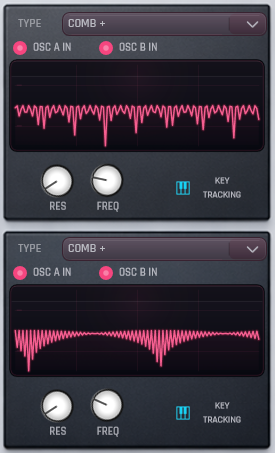
Low, band, high, and comb modes let the filter section move from weight and focus into tighter metallic tension and ring.
Modulation
Drawable LFOs
Instead of digging through abstract routing lists, you shape motion visually and hear the result immediately.
Finish
Built-in FX that belong to the instrument
Delay, reverb, chorus, phaser, distortion, EQ, glue compression, and buffer-style processing extend the identity of the patch instead of covering it up.
Learn by rebuilding
Tutorial mode turns presets into lessons.
Load a finished preset, then let XENITH walk you through the moves that built it. The coach bar tells you what to touch, the right control lights up, and each step waits for the real setting.
- Coach bar guidance
- Live control focus
- Exact-value checkpoints
- Hands-on preset learning
Flagship workflow moment
guided rebuild
exact-value checkpoints
preset learning flow

Coach bar
See the next move instantly.
The lesson stays readable in plain language instead of sending people to a manual first.
Move-by-move prompts
Lives inside the instrument
Built for guided rebuilds
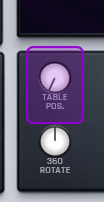
Live focus
Follow the right control.
The current target is called out clearly so your eyes stay on the instrument, not on support text.
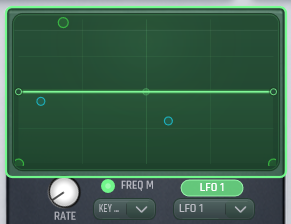
Exact-value checkpoints
Get it right, not just close.
Each step waits for the real setting, which makes preset learning feel hands-on instead of approximate.
Screenshots and interface
A complete instrument from the first screen.
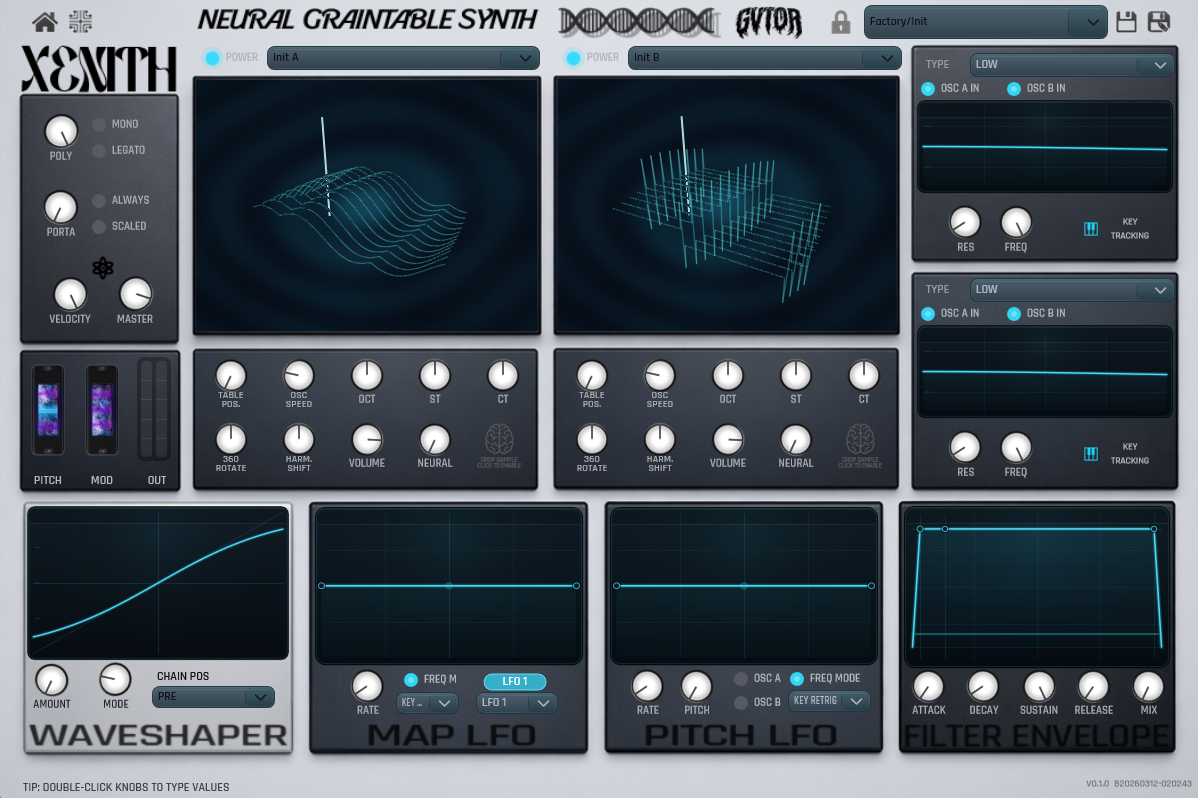
XENITH is designed to feel like a finished device, not a stack of disconnected pages. The main view stays readable, and the deeper layers still carry the same premium visual logic.
Main view
Open on a full instrument, not a puzzle.
The first screen already carries the tone, routing logic, and modulation language of the whole synth.
Routing and post FX
Depth without visual collapse.
The deeper pages still feel like part of the same instrument, not an afterthought bolted on later.
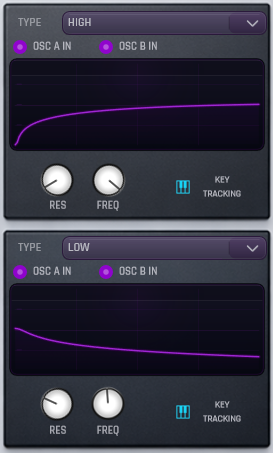
Dual filters
Two pressure points for the tone.
Comb behavior, weight, and focus live in a section that is direct enough to use quickly.
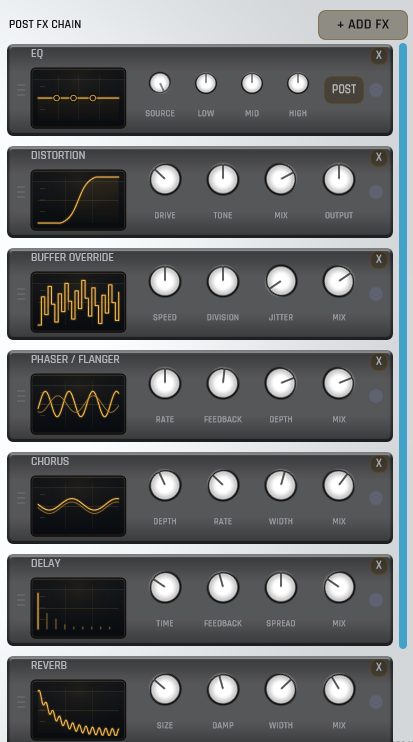
Built-in FX
Finish the patch inside the instrument.
The FX chain extends the patch voice instead of asking you to leave the synth to make it feel finished.
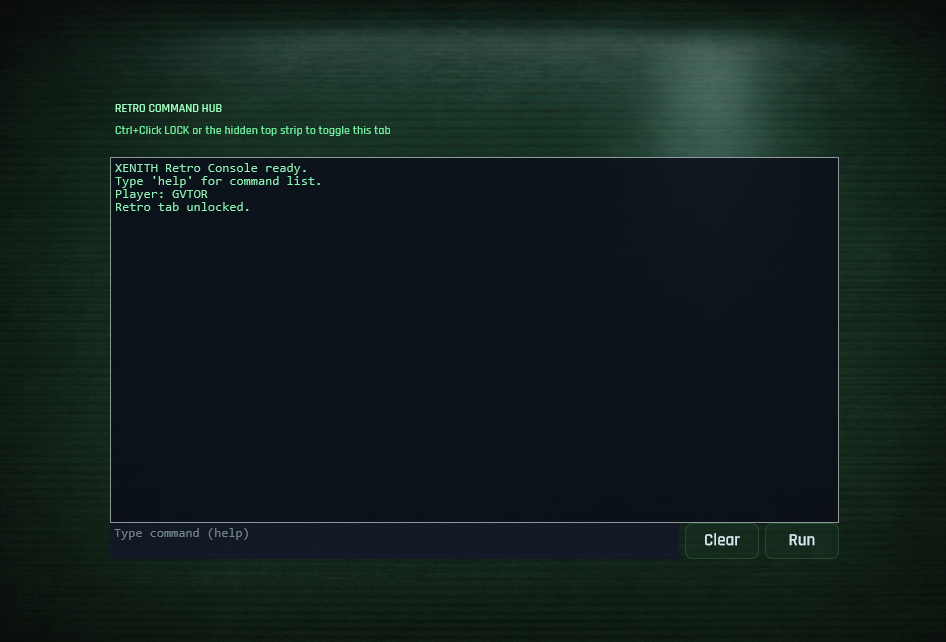
Hidden layer
More personality under the surface.
A tucked-away retro console adds authored detail and surprise, but it stays off the main path where it belongs.
Launching March 24
Launch pricing is locked.
XENITH launches Tuesday, March 24, 2026 at an intro price of $49 through March 31, 2026 at 11:59 PM Eastern. After that, it moves to its standard price of $69.
Intro pricing ends March 31, 2026 at 11:59 PM Eastern.
$49
Intro price
Standard price: $69
Includes factory presets, tutorial-ready learning flow, and free updates within the current release cycle.
Included
What ships with XENITH.
- Factory preset bank
- Tutorial-ready preset rebuild flow
- Neural graintable engine with dual oscillators
- Dual filters, drawable modulation, and built-in FX
Compatibility
macOS + Windows, VST3.
- Available as a VST3 instrument.
- Check the support page for setup help and troubleshooting.
Support
Clear help after purchase.
For installation, licensing, or bug reports, use the official support channel.
Visit supportCompatibility, FAQ, support
Clear answers before and after purchase.
Everything important should be clear before you buy: what XENITH is, what it runs on, what makes it different, and where to get help if you need it.
Compatibility
Straightforward compatibility details.
- macOS + Windows
- VST3 instrument
- Support page for setup and troubleshooting
Support
Direct help when you need it.
Support, licensing, refund, and bug-report guidance live on the dedicated support page.
Open support pageFAQ
Questions before you buy.
What is XENITH?
XENITH is a boutique neural graintable synthesizer built for uncommon tone, playable motion, and a premium workflow.
What makes it different?
Its identity comes from neural graintable sound, phase-locked movement, comb-capable dual filters, and a workflow that stays musical instead of technical for its own sake.
Is the audio on this page processed?
The raw example section is presented without external processing so you can hear the instrument directly.
What plugin format does XENITH use?
XENITH is available as a VST3 instrument for macOS and Windows.
Does XENITH include presets?
Yes. XENITH includes a factory preset bank, and the tutorial mode can turn finished presets into guided rebuilds.